

A hygienic flush (also known as an automatic flush or antibacterial flush) is a preventive measure in drinking water systems, aimed at preventing water stagnation in pipes and thereby limiting bacterial growth, especially Legionella pneumophila.
It involves the automatically controlled discharge of water from the distribution system at regular intervals if a specific outlet (e.g., faucet, shower, valve) has not been used for a certain period.
If water is not regularly exchanged, an ideal environment is created for the multiplication of Legionella and their release into aerosols (e.g., during showering), which can lead to infection.
Why is this important for Legionella?
Legionella naturally occur in water systems, but their proliferation is aided by:
- stagnant water (in pipes, branches, dead ends),
- temperatures between 25 – 45 °C,
- the presence of biofilm (deposits, rust, limescale).
How does
a hygienic flush work?
Detection
of inactivity
If the device (faucet, valve) has not been used for a certain period (e.g., 24 h), the system detects this.
Automatic
activation
The valve automatically opens and flushes water for a certain period (e.g., 30 seconds).
Draining
stagnant water
Old, potentially contaminated water is drained and replaced by fresh water from the main supply.
Logging
and record-keeping
In modern systems (e.g., cloud-based), each flush is recorded for hygiene audit purposes.
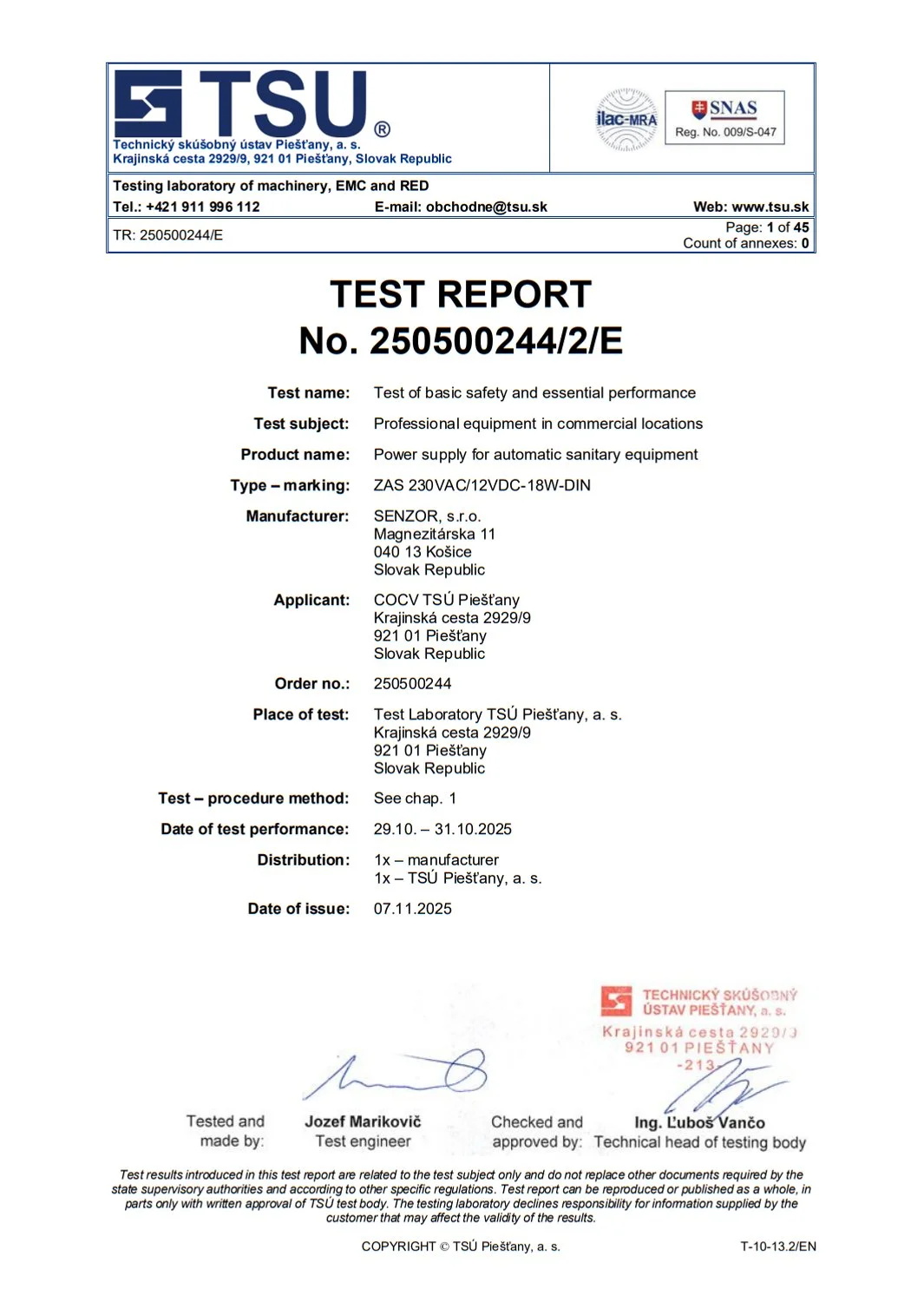
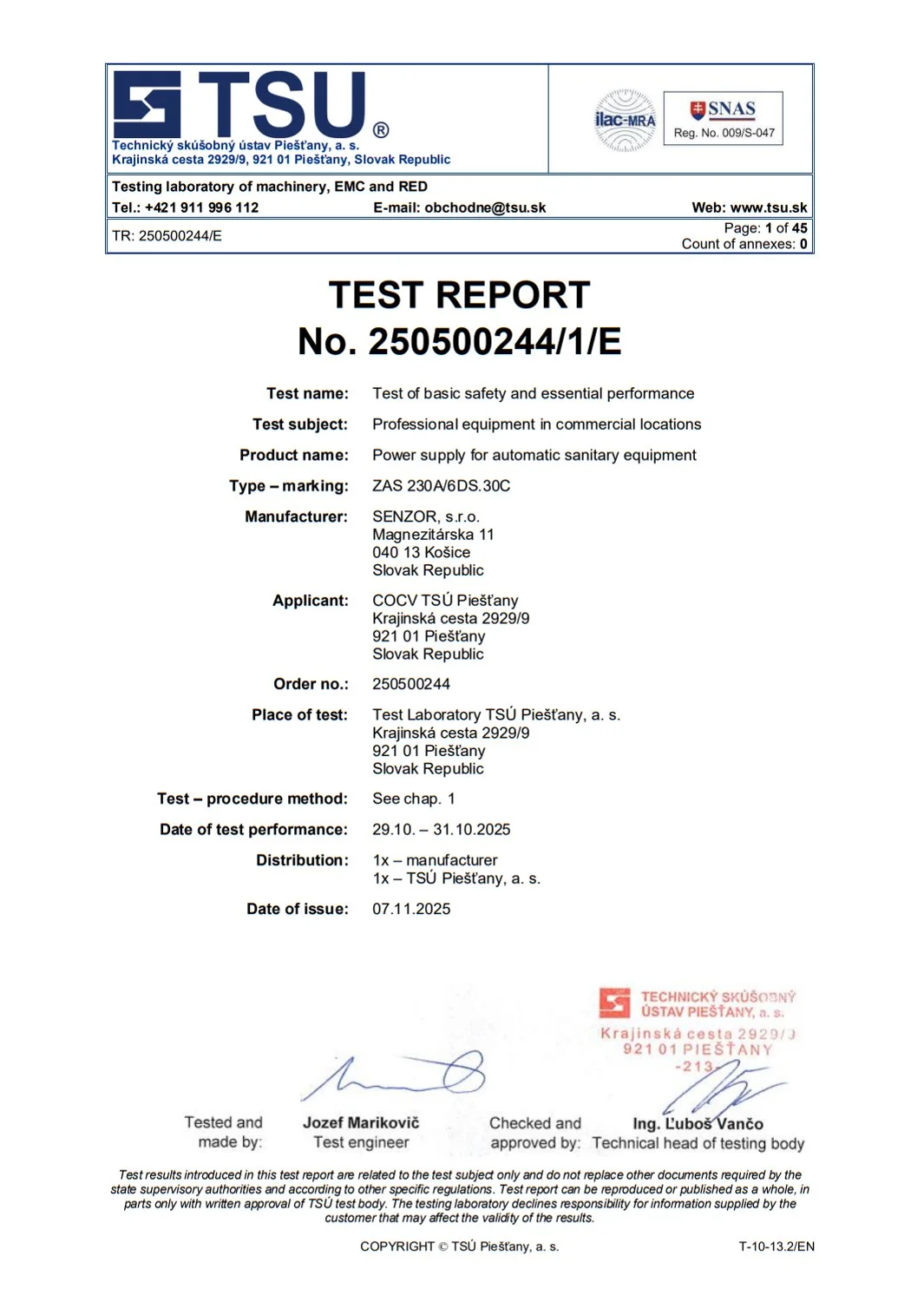
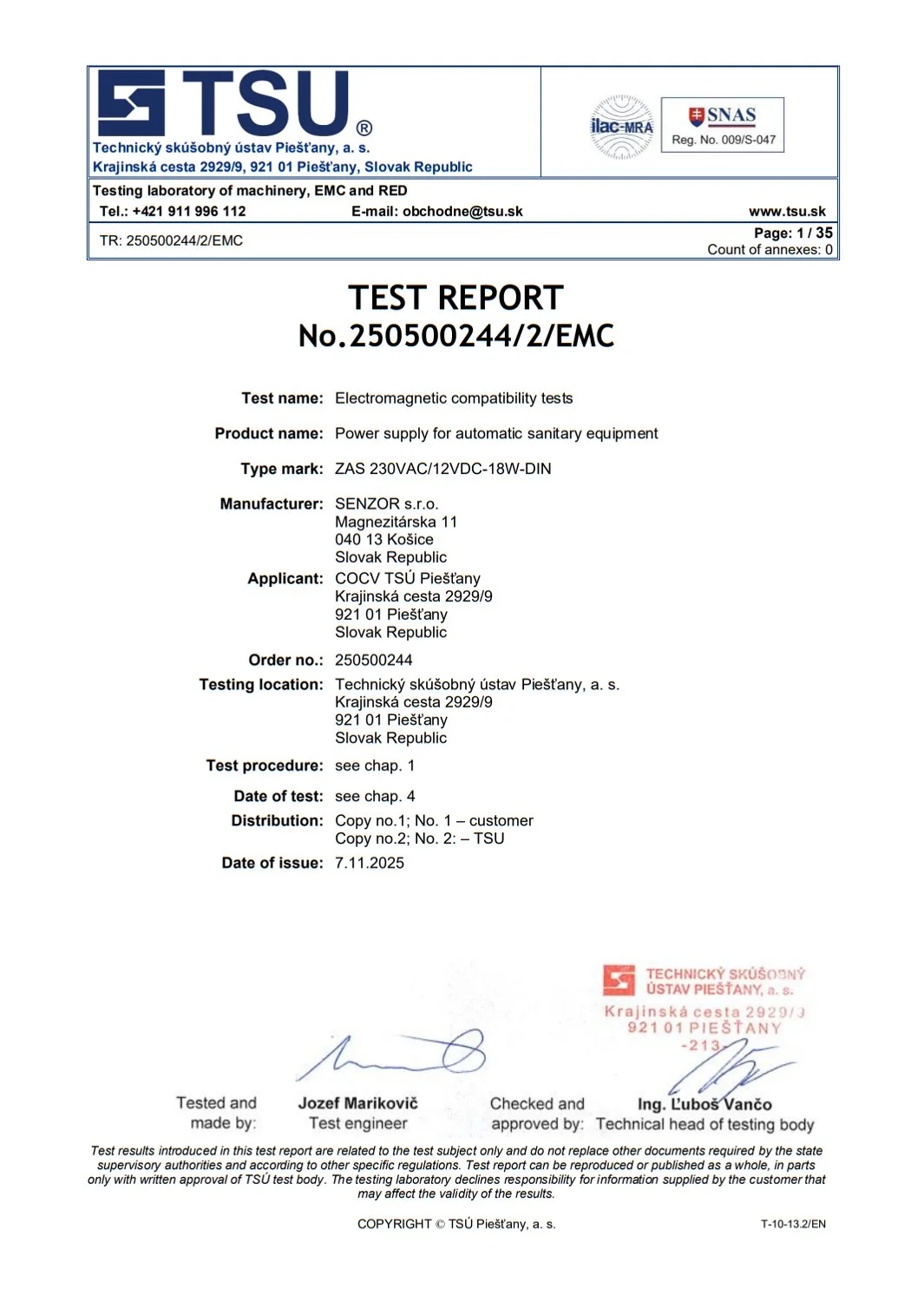
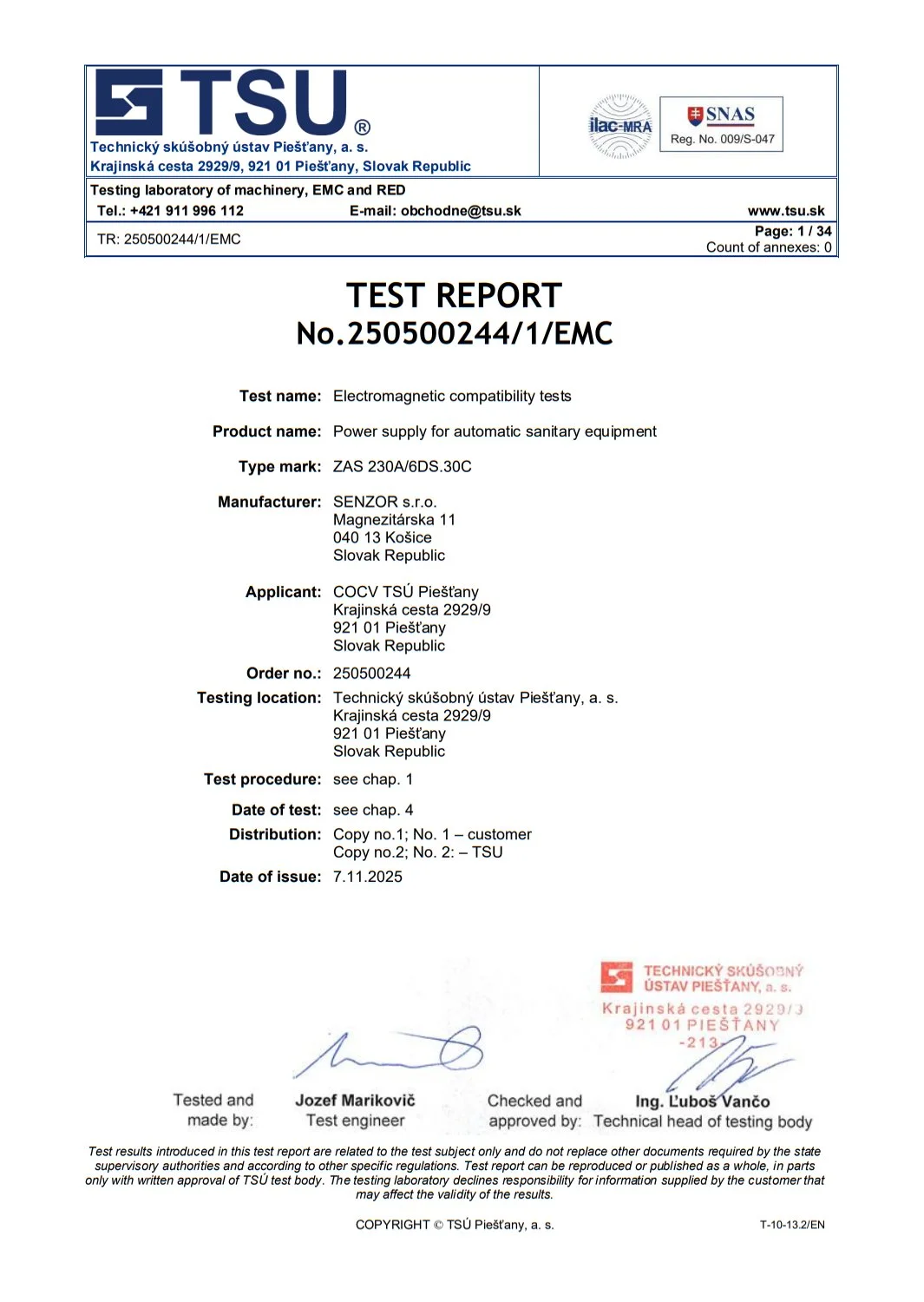
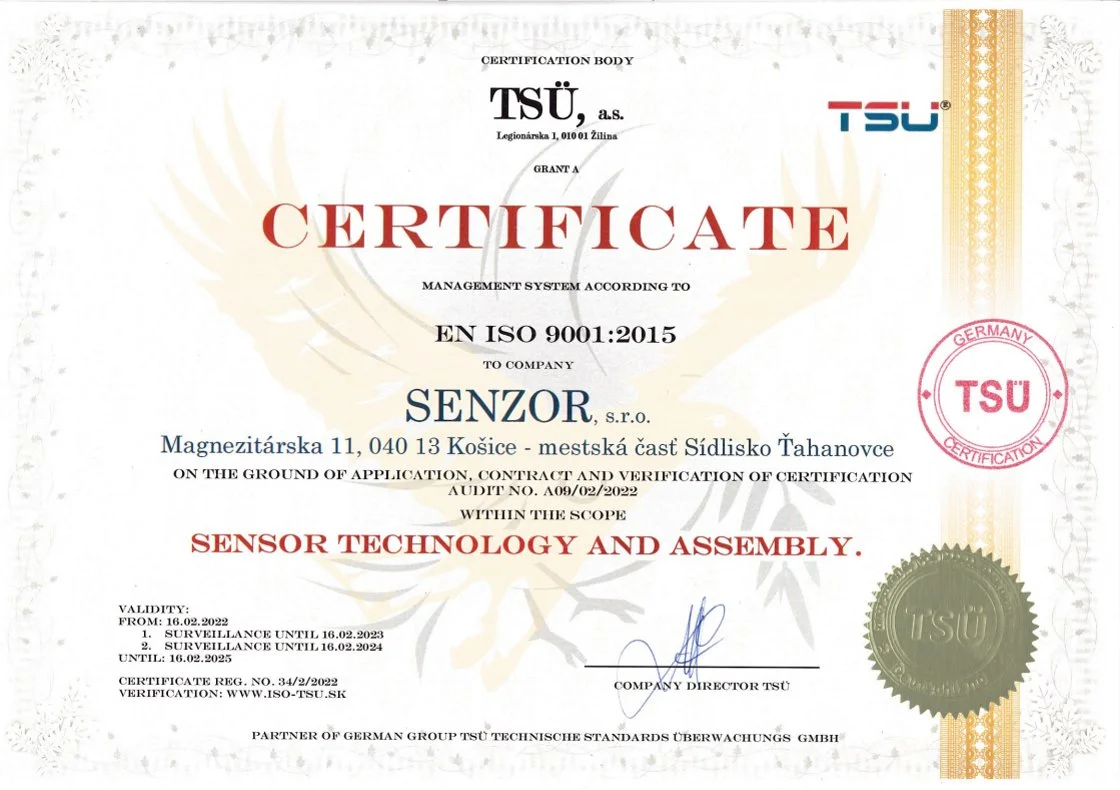
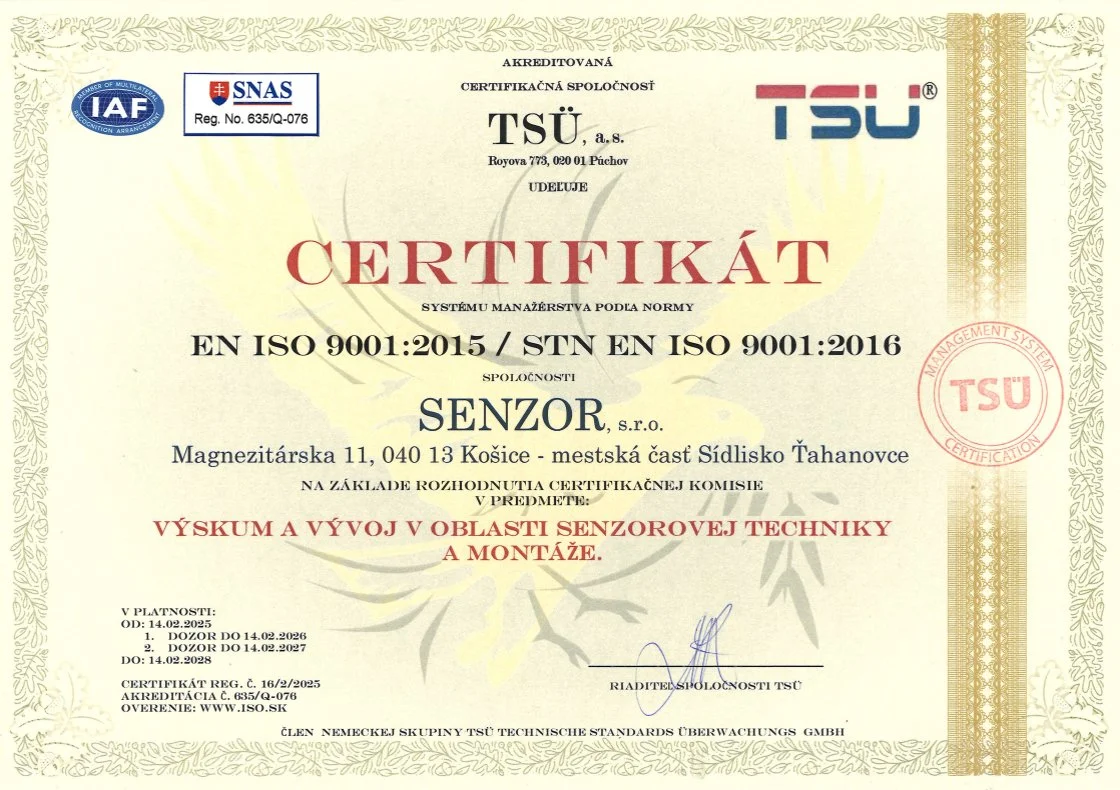
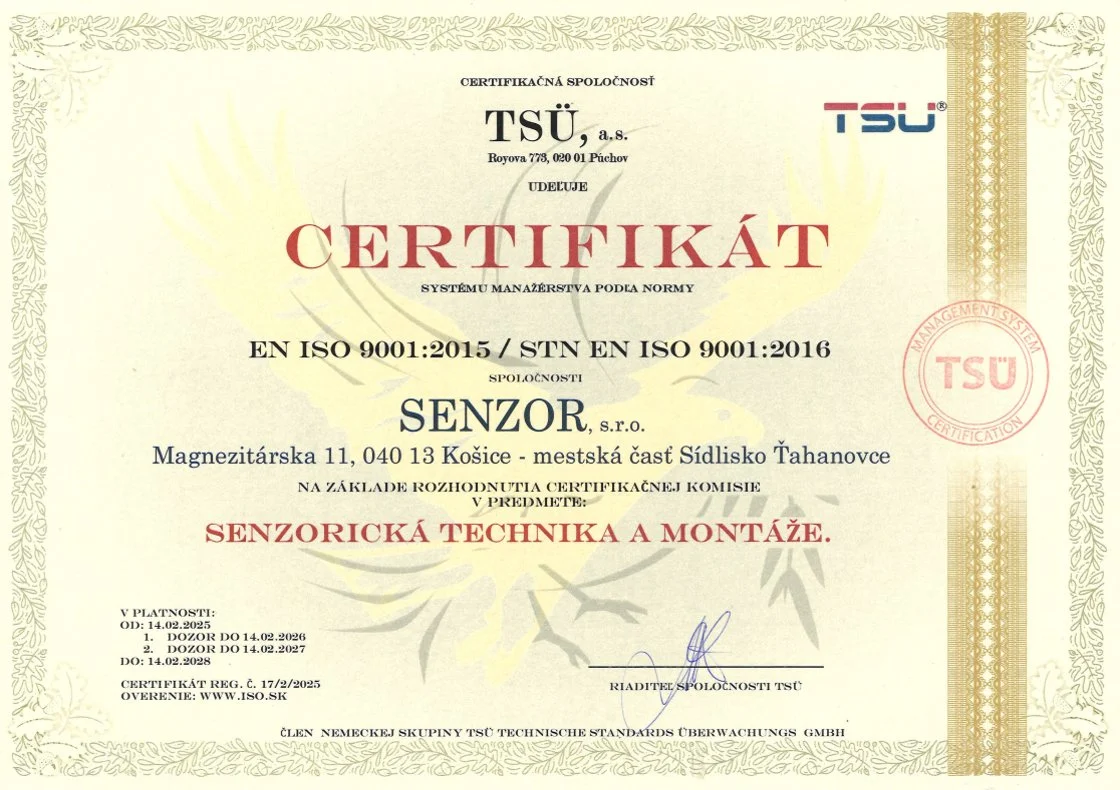
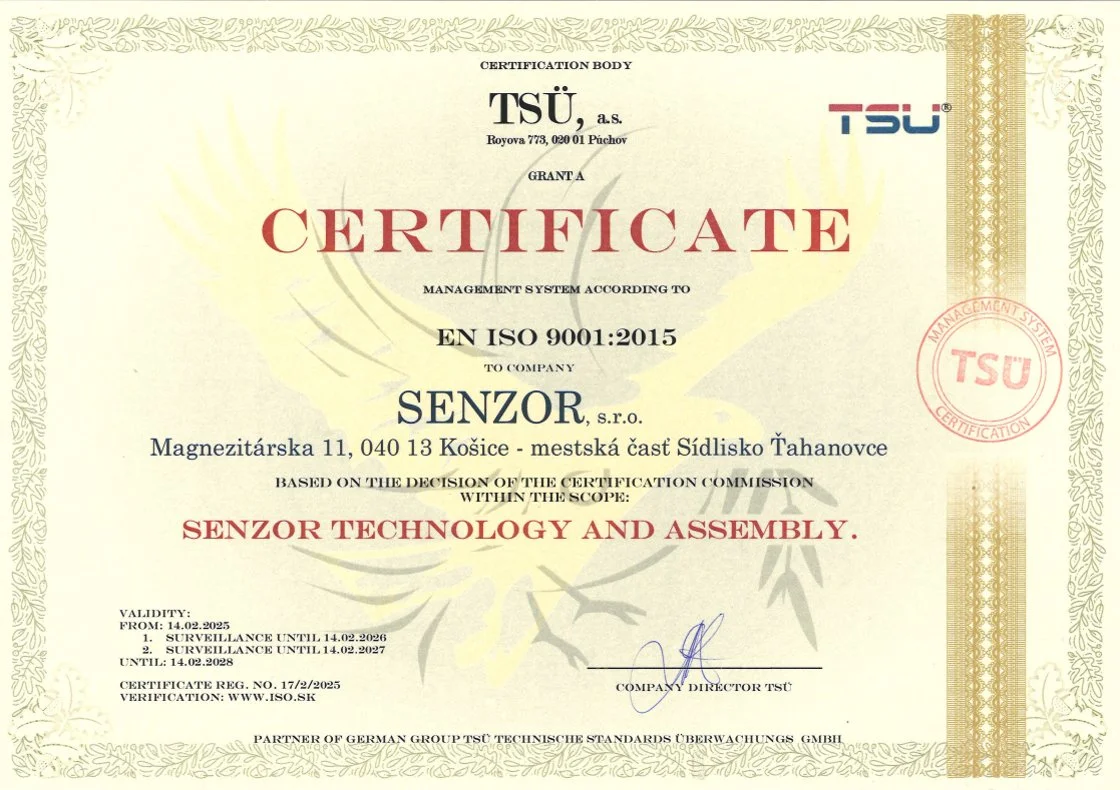
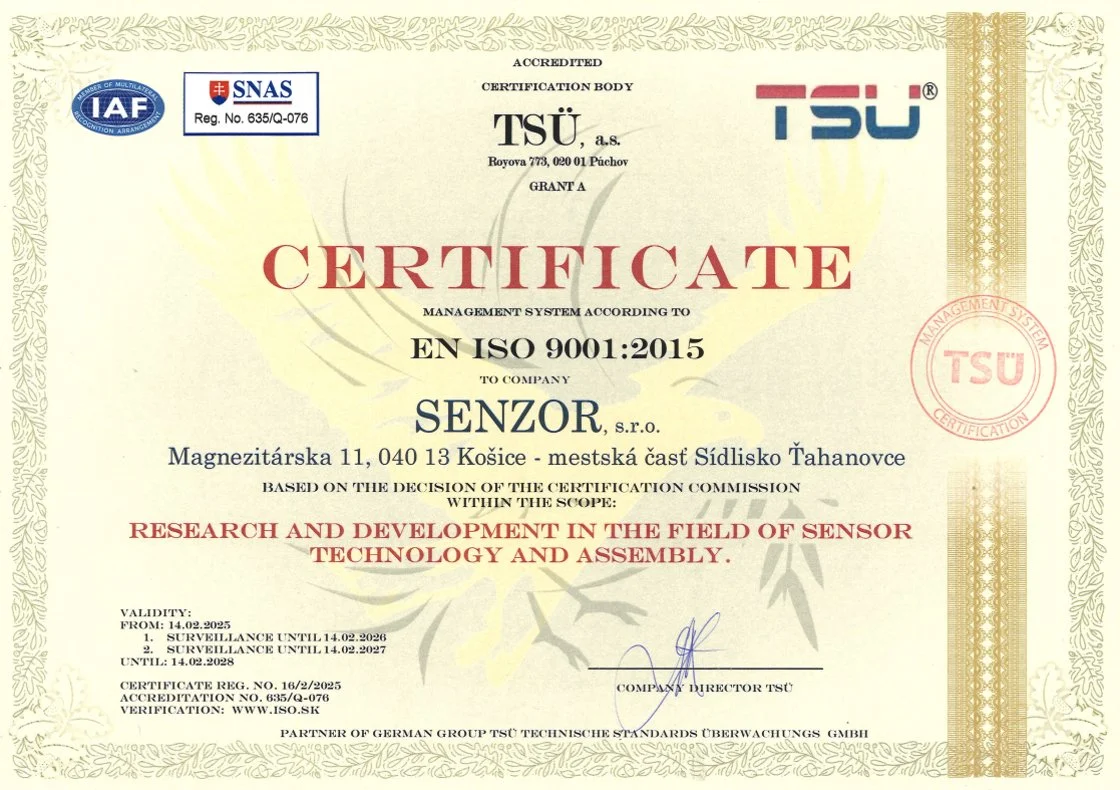
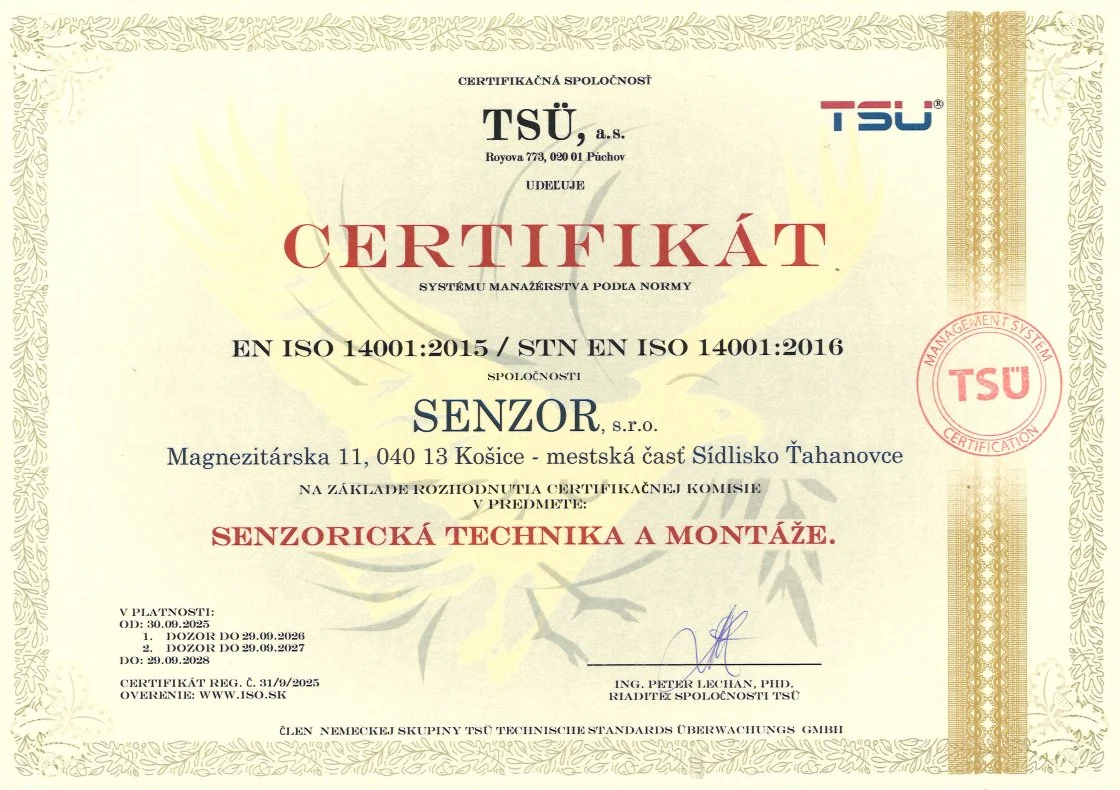
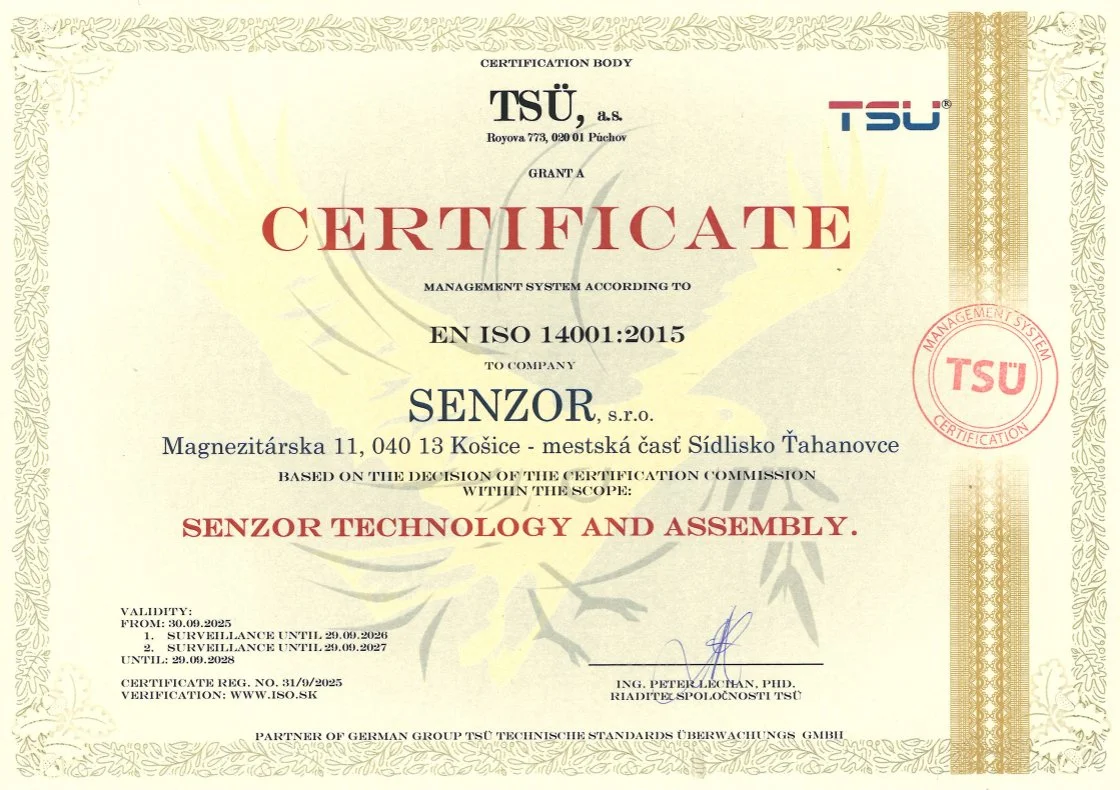
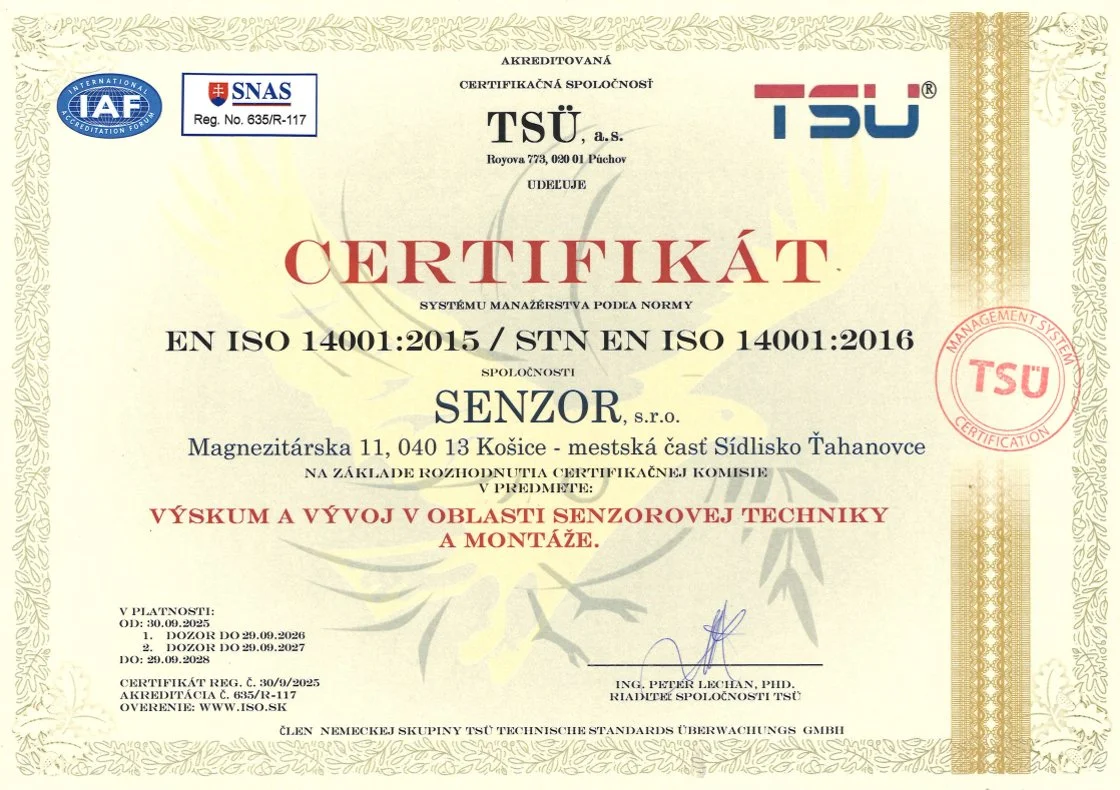
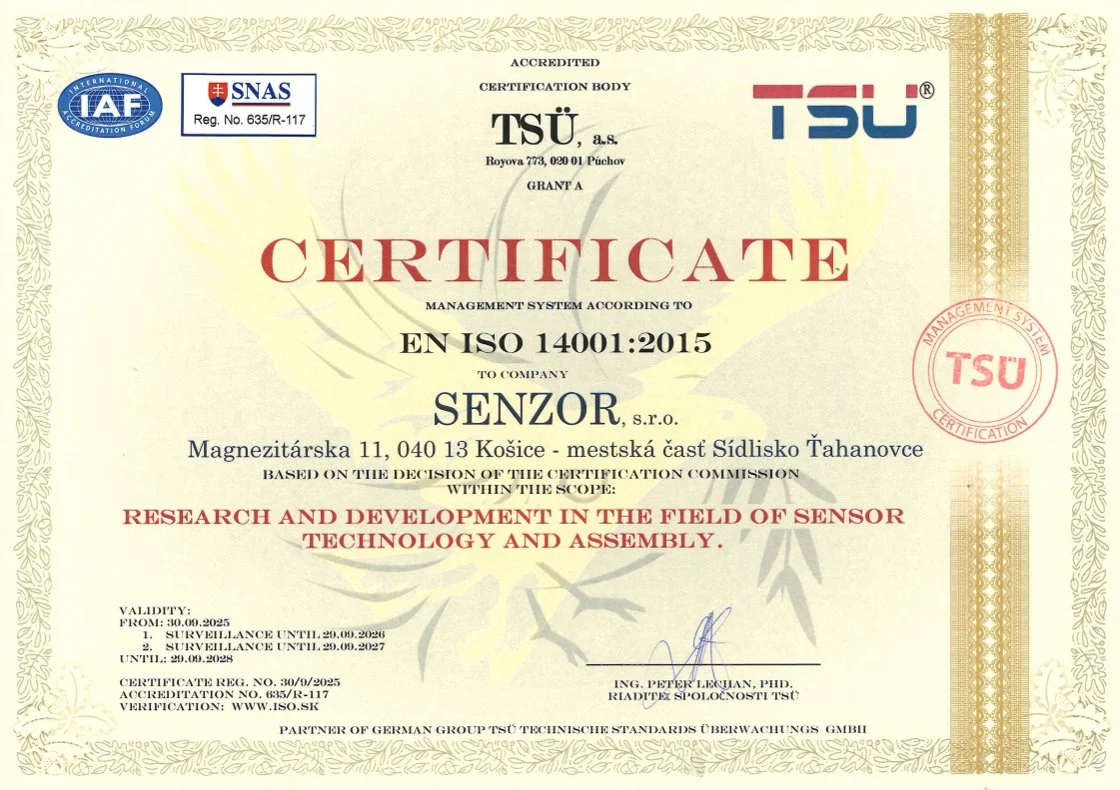
Certificates
of the Company
lorem ipsum dolor met sanit

Latest technologies and
optoelectronic precision

Long durability
of quality materials

Certified to
European standards

All our products are
manufactured in Slovakia


 info@senzor.sk